Last June, I pulled up to a backyard in a quiet cul-de-sac with a 13 by 13 classic bouncer on the dolly and a combo unit with a slide folded on the trailer. The client had booked the combo. Then I saw the yard. A tight fence line, a sloped corner, and a swing set that ate twenty feet of prime space. We pivoted to the standard bounce house, remeasured, and set it dead center. The party went off fine, but it reminded me of an old truth in inflatable party rentals. The right piece depends less on the photo that sells it, and more on the space, the ages of the kids, and the way the day will flow.
That choice, inflatable bounce house versus bounce house combo, is where most customers start. Both bring the same core promise, a safe, soft arena for kids to burn energy. Both come in bright themes and both look great in photos. Under the vinyl, though, they serve slightly different jobs. The differences show up in crowd management, safety, price, and even how quickly your event gets rolling.
What each unit really is
A standard inflatable bounce house interactive games is the classic square or castle, usually 13 by 13 or 15 by 15 feet of bouncing surface, often with an entrance step and mesh windows on all four walls. Some operators list them as inflatable bounce houses or simply bouncers. They are straightforward to set up, easy to supervise, and welcoming for a wide range of ages.
A bounce house combo adds one or more play elements to that bounce area. Most common is a slide, which can be interior, exterior, or attached as a side feature. Combo units may include a small climbing wall, an interior basketball hoop, pop-up obstacles, and wet or dry configurations. You will see them marketed as bounce houses with slides, bounce house combos, or 4-in-1 and 5-in-1 units. They take up more footprint, they cost more to rent or to buy, and they move more kids through an activity cycle rather than a freeform bounce.
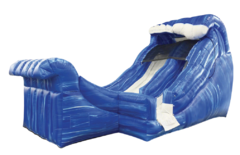
Operators also carry related categories that sometimes confuse the picture. Inflatable obstacle courses, for instance, are long, narrow runs with crawl tubes, pop-ups, and a slide finish. An obstacle course bounce house blends an open bounce section with a short obstacle lane. Inflatable water slides are single-purpose slide units with landing pools or splash pads. And for larger events, you will see inflatable games and interactive games like bungee runs, joust arenas, and sports challenges. Those can complement a bounce house or combo, but they serve a different crowd dynamic.
When a simple bouncer is the better tool
The classic bouncer shines in small to medium yards, in mixed-age parties, and in events where you want easy, low-touch fun. I like them for birthday parties with toddlers and early elementary kids because you can keep supervision simple. One attendant stands at the entrance, limits capacity by age and size, and the play stays mellow.
For indoor venues like school gyms or church halls, the standard 13 by 13 is often the only unit that fits through double doors and around corners. They inflate quickly, usually within 60 to 90 seconds once the blower runs. With a protected tarp and some mats, you can lay one on hardwood or carpet without drama. Deflation is easy and the roll is manageable for a single operator with a good dolly.
They are also forgiving when the ground is not perfect. A bouncer tolerates a slight slope better than a combo with a slide lane. If wind is forecast, the lower profile helps, though you still have to follow staking or ballasting guidance and pull the unit if gusts exceed the safe limit. Most manufacturers recommend shutting down around 15 to 20 mph sustained winds. That is a rule worth following.
Cost wise, a single bouncer rental is the most budget friendly option. For many families, that matters more than an extra play feature. If your crowd is smaller than ten kids at a time, the added throughput of a combo is usually not necessary.
Why combos win so many hearts
Combos earn their keep by delivering variety without having to add a second unit. The built-in slide is the headline. Kids climb, slide, loop back, and repeat. That flow reduces collisions in the center of the bounce area because kids are not all doing the same thing. If your group ranges from four to nine years old, that slide becomes the star of the day.
Some combos can convert to wet use with a hose attachment and a splash pad or pool. On hot afternoons, that feels like a completely different attraction. From a party host’s point of view, it means one rental covers both bounce and water play. Operators love that flexibility when booking weekend blocks, because it widens the window of fit for backyard events.
Theming runs deeper with combos too. Princess castles with dual slides, superhero obstacle lanes, tropical combos that tie into inflatable water slides, sports arenas with interior hoops, the variety helps the photo on the booking page do its job. If you plan to anchor your kids bounce house combos decorations or cake around a character or a color scheme, combos give you more to match.
The price is higher, no way around it. A combo takes more vinyl, more stitching, more setup time, and often a second blower. Many operators set higher damage deposits for combos as well, especially for wet use. Those costs, however, map to the experience. If you anticipate a large group cycling through in short bursts, or you simply want the wow factor when the kids turn the corner into the yard, a combo delivers.
A quick side by side
- Footprint: standard bouncers fit tighter spaces, combos need more length for the slide lane and landing. Crowd flow: bouncers encourage freeform play, combos create a loop that reduces pileups and keeps kids moving. Setup complexity: bouncers roll lighter and stake faster, combos take longer and may need an extra blower and circuit. Versatility: bouncers suit wider age spreads, combos amp up fun for early elementary kids and shine in wet use. Price: bouncers are the budget choice, combos add cost but also perceived value.
Space and power, the parts people forget to measure
Space is the first constraint to check. A typical 13 by 13 bouncer needs at least 15 by 15 feet of clear, level area, plus vertical clearance of 14 to 16 feet. A standard combo with a slide usually wants 28 to 32 feet in length, 15 to 18 feet in width, and 15 to 18 feet of height depending on the unit. That is before you allow room for staking, blower placement, and a safe buffer from fences, branches, and eaves.
Ground type matters. Grass stakes best. On concrete or asphalt, plan for sandbags or water barrels. Ask your operator how they ballast on hard surfaces. If you are doing event rentals at a school or park, check whether you can stake into turf. Some districts ban staking near irrigation lines. I have seen one ban lifted only after we marked out the sprinkler grid.
Power needs are simple to state and easy to underestimate. Most bouncers run on one 1 to 1.5 horsepower blower, which draws 7 to 12 amps on a standard 120 volt circuit. Many combos, especially wet rated or larger units, use two blowers. You should not load both on the same household circuit if other devices share it. If you cannot get two separate circuits within 100 feet of the setup area, budget for a quiet inverter generator. For reference, a 3500 watt inverter unit will comfortably handle two 1.5 horsepower blowers. If you have to run extension cords, keep them heavy gauge and under 100 feet to prevent voltage drop.
Safety and supervision, the real differentiators
Most incidents with inflatable bounce houses come from three culprits. Overloading, mixing big kids with small ones, and poor anchoring. The same is true for combos. The difference is that combo slides can tempt kids to climb the slide lane or jump at the lip. Active attendants prevent that. Assign a clear, friendly rule set and enforce it consistently. Shoes off, no flips, similar ages together, hands to yourself, one at a time on the slide, feet first.
For a busy backyard party, a bouncer with a single attendant is manageable. For a combo, especially with a wet slide, two attendants make life easier. One monitors the entrance and bounce area, the other watches the slide exit. If you are an operator, build that staffing into the rental when the guest count tops thirty kids. If you are a parent, ask a couple of relatives to rotate in twenty minute shifts.
Anchoring is non negotiable. Stake at all points the manufacturer specifies. Use 18 inch stakes where soil allows. If wind forecasts creep up, call the client early and reschedule if needed. A clean cancellation beats a risky setup. Some municipalities require permits or inspections for inflatables at public events. Expect that for school carnivals, city festivals, and large corporate picnics. Insurance may require documented setup photos, including stake angles and strap tension. Snap them. It takes seconds and has saved operators in claims.
Throughput, or how many kids you can cycle per hour
For event planners who book inflatable games for school or church functions, throughput matters as much as spectacle. A 13 by 13 bouncer supports six to eight small kids at a time, fewer if older kids are bouncing. With two to three minute rotations, you can move 120 to 160 kids per hour if you keep tight control. A combo naturally paces kids because the slide becomes the end of a turn. You may run four to six kids in the bounce area while one climbs and slides, then swap. In practice, combos keep kids happier in line because they feel like they got a full loop for their turn.
If you need even higher throughput, look to inflatable obstacle courses or a two lane inflatable water slide for warm months. Those can move a child every 10 to 20 seconds when staffed correctly. Pairing a standard bouncer with a small interactive game such as a soccer dart board or basketball toss can also siphon off line pressure. The mix matters. A single large piece often performs worse than two smaller attractions that split the crowd.
Weather, water, and the cleanup that follows
Water transforms the day. It also transforms the setup and teardown. Wet rated combos and inflatable water slides need proper drainage and a clear plan for drying. If you flood a yard, the homeowner will remember. Pick a landing area that slopes away from patios and foundations. Lay an extra tarp at the exit to keep mud under control. On retrieval, run the blower for several minutes with the unit wiped dry inside as much as feasible. A wet unit rolled tight will mildew by morning.
On cooler days, a dry combo is the better call. Kids run hotter than the adults watching them. Even in spring, a shaded bouncer inside a mesh castle feels fine. If you must set up on a light drizzle day, keep the unit dry, then watch the blower intake for water. A simple rain cover helps, but if wind pushes water sideways through the mesh, shut down and wait. Water plus vinyl gets slippery quickly. I have pulled down units during surprise squalls and put them back up an hour later when the ground firmed. People remember that level of judgment more than the lost hour.
Durability, materials, and what drives costs under the hood
Commercial grade inflatable bounce houses use heavy vinyl, usually 15 to 18 ounce coated PVC, with double or triple stitching in high stress areas. Floor seams, slide lanes, and net attachment points take a beating. Combos concentrate wear on the climbing wall and slide seams. If you own inflatables for event rentals, inspect those points after every job. Replace netting when it frays, patch pinholes before they grow, and keep zippers clean so they do their sealing job at deflation.
Cheaper consumer grade units exist at big box stores and online. They look similar in photos. They will not hold up under rental use. The vinyl weight is lower, the thread light, and the anchor points thin. For backyard families who plan to use a bouncer a few weekends a year, that may be fine. For operators, it becomes a false economy. One season of heavy use will expose every corner cut.
Weight and roll size correlate with durability. A 13 by 13 commercial bouncer might weigh 170 to 220 pounds dry. A combo can push 300 to 450 pounds. Plan your handling gear accordingly. A good inflatable dolly with big pneumatic tires is not optional, it is your back’s friend.
What rentals actually cost, and why prices vary
Rental pricing varies by region, season, and what else comes with the unit. In most mid sized markets in the United States:
- A standard 13 by 13 inflatable bounce house rents for roughly 150 to 250 dollars for a weekday, 180 to 350 dollars on a weekend or holiday. A bounce house combo typically rents for 250 to 450 dollars on weekends, with wet use sometimes adding 25 to 75 dollars for extra cleaning time and heavier mats. An inflatable obstacle course ranges widely, from 350 to 800 dollars depending on length and whether it includes a slide finish. Standalone inflatable water slides often run 300 to 600 dollars, more for two lane giants that require extra staffing and space. Add ons like generators usually rent for 75 to 150 dollars, and attendants bill at 25 to 45 dollars per hour each.
Urban markets with higher insurance and warehouse costs skew higher. Rural markets with longer delivery drives sometimes add mileage fees after a base radius. Seasonal demand shifts prices as well. Late May through early September books fast. If you lock in a rental six to eight weeks out for a Saturday, you pay less stress tax and sometimes catch early booking discounts. Multi day rates commonly price as 1.5 times a single day, since the delivery labor is the same.
Packages can make sense for larger events. A school field day might bundle a combo, a 40 foot obstacle course, and two interactive games for 900 to 1,400 dollars, including two attendants for three hours. If you need bounce houses for rent in volume, ask about weekday school pricing. Tuesday and Wednesday often sit soft on an operator’s calendar, and they will sharpen a pencil to fill those days.
Purchase prices for owners, and the ROI math
If you run or are starting an inflatable party rentals business, the buy or expand decision hinges on hard numbers. Commercial grade units, new from reputable manufacturers, tend to land in these ranges:
- Standard 13 by 13 bouncer: 1,500 to 2,500 dollars, plus 150 to 350 for a blower if not bundled. Bounce house combo with dry slide: 2,800 to 4,500 dollars, wet rated combos add 200 to 600 for liners and hardware. Inflatable water slide, single lane 15 to 18 feet: 3,000 to 6,000 dollars. Two lane or 20 foot plus slides can hit 7,000 to 9,000. Inflatable obstacle courses from 30 to 60 feet: 4,500 to 9,000 dollars depending on design complexity.
Shipping for a single unit often adds 200 to 600 dollars within the lower 48 states. Factor that in. Buy during off season and you may find 10 to 15 percent promotions at trade shows or end of year sales.
Return on investment depends on your market rate and utilization. A bouncer at 225 dollars per weekend rental pays off in 10 to 14 rentals if you ignore overhead. Include insurance, warehouse, fuel, maintenance, and labor, and the real payback pushes to 14 to 20 events. Combos rent for more, 325 to 425 dollars, but also tie up more delivery time and occasionally require extra staffing at large events. In my books, a bread and butter combo paid for itself in its first season at 16 rentals, then worked four more seasons with steady maintenance before we retired it to backup duty.
Lifespan depends on care and climate. In dry, hot areas, UV will age vinyl faster. Expect three to five primary seasons for a hard working unit, longer if you rotate stock and keep it clean and dry between jobs. Patching pinholes and reinforcing stress points extends life cheaply. Replacing netting or slide liners is worth the expense when the rest of the unit is sound.
Insurance, permits, and the quiet costs of doing it right
General liability insurance is not optional if you rent to the public. Many venues require a certificate of insurance naming them as additionally insured for the event date. Annual premiums depend on your gross revenue, the number and type of units, and your claims history. Most small operators pay in the low thousands per year. It is money that buys peace of mind and bookings that would otherwise be out of reach.
Permits appear most often with city parks and public schools. Expect rules about staking, barricades, and the use of generators. Some jurisdictions want you to use only tSSA, NAFLI, or state approved units and operators. If you are a parent renting for a backyard, the main regulatory hurdle shows up as HOA noise rules or neighborhood parking constraints. Let your neighbors know a few days ahead and you will avoid most side eye.
Cleaning and sanitizing are part of the job that clients rarely see but always appreciate. In the years since 2020, customers ask more pointed questions about cleaning between rentals. Use a kid safe disinfectant, wipe or spray high touch areas, and allow proper dwell time. Show up with a clean unit, and it sets the tone for the day.
When to reach for obstacle courses, water slides, or interactive games instead
Sometimes the right answer is neither a simple bouncer nor a combo. If your event is a school fun run, a church picnic, or a company family day with mixed ages and hundreds of attendees, inflatable obstacle courses are the workhorses. They move lines, generate cheers, and handle older kids without bottlenecks. A 40 to 60 foot course with a slide finish satisfies teens who would otherwise hover awkwardly around a small bouncer.
On a blistering July weekend, a single lane 18 foot inflatable water slide changes the mood of a backyard party. Add a splash pad and you lower the risk compared to deep pool landings. Pair that slide with a small bouncer for toddlers, and you cover the full age spectrum without arguments.
Interactive games, from soccer darts to quarterback toss to human foosball, add low risk fun for adults. They also smooth the pressure on your primary inflatable. Strategically, mixing one big piece with one or two small ones keeps the party balanced. As an operator, that mix improves your delivery efficiency too. A trailer with two medium units often turns faster than one monster slide that requires more hands to move.
Reading the yard, reading the guest list
The on site math comes down to fit and flow. Picture the path from the gate to the setup site. Measure it. A 36 inch gate can pass most 13 by 13 bouncers on a dolly, but tight turns and steps complicate the move. A 40 inch gate or a double gate reduces swearing. If the only path crosses pavers or deck boards, lay protection for the roll.
Check the slope with your eyes, then drop a ball and watch it roll. If it picks up speed, call it too steep for a long slide lane. Look for overhead lines and low branches. Combos that peak at 17 feet do not play well with shade trees at 15 feet. Think about where parents will stand. A bouncer that hugs a fence leaves no viewing angle. I like to angle units slightly so the entrance faces the natural congregation point, usually the patio.
Guest list matters as much as measurements. Ten to twelve kids under six, a standard bouncer fits beautifully. A dozen six to nine year olds, a combo will keep them cycling and grinning. Two dozen kids mixed with various cousins and neighbors, plan for at least two attractions or for a stricter rotation with an attendant. Teen heavy events push you toward obstacle courses or larger interactive games. Adults at a neighborhood block party love a sports challenge set beside the grill. If water play is allowed, a wet combo covers both bases in one footprint.
A simple decision checklist
- Measure space, gate width, and overhead clearance honestly before you book. Match the unit to ages, with bouncers for wide age mixes and combos for early elementary punch. Confirm power, separate circuits if possible, or reserve a generator. Consider weather and drainage, especially for wet rated combos or inflatable water slides. Budget by value, not just price, mixing one big draw with a small side game if the guest list is large.
Real world pricing examples as context
For a Saturday birthday party in a suburban backyard with a 16 by 30 foot patch of grass, a standard 13 by 13 inflatable bounce house at 225 dollars taxes included and delivery within 10 miles is typical. Add 30 dollars if you are on the edge of the service radius. If your yard opens to a greenbelt but you cannot stake, the operator may add 40 dollars for sandbag ballasting.
Swap that to a combo with a dry slide, same situation, you are in the 325 to 375 dollar range. Switch to wet use in July, and you will likely see 375 to 425 dollars to cover extra cleaning and tarp layers. If you add a small interactive game like a basketball toss, expect 75 to 125 dollars more, often discounted when bundled.
At a school event with 400 attendees on a Friday evening, two hours staffed, a 40 foot inflatable obstacle course and a combo together might invoice at 1,100 to 1,400 dollars all in, including two attendants, generators, and a certificate of insurance naming the district. Prices move as the calendar tightens. Call in early May for a June Friday, and you will be choosing among whatever is left.
For operators, small practices that pay off
I learned to carry spare stakes, heavy duty extension cords, a voltmeter, and a handful of patch kits. The call you do not want to make is the one where you tell a parent the party has to wait because a blower tripped a breaker and you cannot find a second circuit. Bring a mat for the entrance every time, it keeps the interior cleaner and reduces slip risk. Photograph the setup from four angles with the stakes visible. Keep a log of wind speed and ground condition when you arrive.
Build realistic teardown windows into your schedule. A wet combo pulled at 7 p.m. Will take longer to drain and roll than a dry bouncer at noon. Your back will last longer if you do not race it. If you buy used units, inspect seam integrity and slide liners in daylight. Ask to see the unit inflated, then put a hand around blower tubes and zippers to feel for leaks. A cheap unit that needs immediate liner replacement is not cheap.
Finally, keep your promises simple and your units clean. If you deliver an inflatable that looks and smells fresh, is anchored with care, and runs without drama, you will get the repeat call. People talk. The nicest referral I ever heard was, They showed up, set it safe, the kids had a blast, and pickup was quiet. That sentence books half your calendar if you earn it consistently.
The short answer, if you skimmed to the end
Inflatable bounce houses are compact, budget friendly, and flexible across ages. Bounce house combos add slides and features that elevate the experience, especially for early elementary kids or hot weather when wet use is an option. Combos cost more and need more space and power, but they reduce line stress and add wow. Pricing depends on where you live and when you book, yet the pattern is steady. Bouncers at 180 to 350 dollars for a weekend day, combos at 250 to 450, with larger pieces like inflatable obstacle courses and inflatable water slides running higher.
Choose with your yard, your guest ages, and your schedule in mind. If you feel stuck, call a reputable local provider and describe your space with dimensions, gate width, and shade height, plus the age mix. The right operator will steer you toward the piece that fits, not just the one with the bigger ticket. That is the choice that keeps your party relaxed and your photos full of smiling, slightly sweaty faces.